

Social Feed
From Tvweek.com
By Doug Halonen
In a boon to the telephone industry, Sens. John Ensign, R-Nev., and John McCain, R-Ariz., on Wednesday introduced legislation that would allow phone companies and incumbent cable TV operators alike to offer TV services without having to get local or state cable franchises. The phone companies have complained that local franchising obligations have stymied their efforts to compete with incumbent cable TV operators.
If the legislation becomes law, local franchising obligations would be scrapped for everyone, with all players on the same playing field. Under the bill, cable TV operators and phone companies would still be required to pay fees of up to 5 percent of their revenues to local governments. All players would also have to meet a variety of other obligations cable TV operators currently face, including a requirement that they carry the signals of local TV stations.
11 Replies
·
2399 views


Supporting Founder
Pub Member / Supporter
Apple Fall Hardware Event takes place today, September 9, 2026, at 10:00 a.m. PT / 1:00 p.m. ET. It marks the debut of new CEO John Ternus and the expected reveal of Apple's first foldable phone.
140 Replies
·
2313 views


Pub Member / Supporter
Lifetime Supporter
Didn't see a thread like this so I figured why not start one. This is about natural supplements. If you aren't into supplements, fine, but please let those of us who do want to discuss this discuss it.
The first one I wanted to mention has been a real life changer. I'm 62 and still do all of my own install work at my business....also do all the yard work at the house. A few years ago I started noticing that I was losing my range of movement, it was even getting hard to bend over and lace up my boots. Almost got stuck in an attic because I couldn't get turned around once the work was done. Didn't think much of it and figured with age comes stiffness that was only going to get worse as time went on.
It was then that I stumbled across a video which was discussing rotator cuff tears and why they were to prevalent these days. Turns out, the culprit is a simple deficiency in MANGANESE which is key in keeping your tendons flexible. Most anti-biotics strip your body of any manganese it might have had which is why certain anti-biotics, especially those in the Cipro family. I actually knew a man who had two tendons tear while on that stuff.
Went to Amazon and ordered some manganese. Now it took a while, it wasn't instant, but gradually I have regained all of my flexibility. I can bend over and touch my toes while standing with no pain and putting on my boots is no longer a chore.
Pretty cheap too. The bottle I ordered was a 200 ct for under $13. They said to take double the normal dose for the first month because most people are severely lacking, then go to one a day.
10 Replies
·
223 views

TWiT Tech Podcast Network
Time for another AWESOME video from the TWIT Network!
View: https://www.youtube.com/shorts/6UJXAJfomcE
Direct YouTube Link - Apple's Q4 2026 Earnings Report
TWIT's Website
TWIT Live Feed
View: https://www.youtube.com/shorts/6UJXAJfomcE
Direct YouTube Link - Apple's Q4 2026 Earnings Report
TWIT's Website
TWIT Live Feed
0 Replies
·
3 views

Supporting Founder
Does anyone here use Apple Home/HomeKit with HomePods or Apple TV to automate smart devices in their house? We have had Amazon's Alexa set up in our house for the last 10+ years and I have been waiting to switch them out to Apple for a few reasons; We are already in the Apple ecosystem with our phones, tablets, and computers. I have never liked Amazon's stance on privacy and I really like that Apple has pushed for privacy for a long time.
I bought 4 of the new HomePod Mini 2 speakers to go in various rooms in our house and we have one of the new Apple TVs on preorder that will be the start of me replacing our Rokus. I have the HomePod Mini 2s set up and have an RPi that is running HomeBridge for our legacy smart devices that worked natively with Alexa but don't work with Apple Home natively. I had trouble with the older smart bulbs not keeping the brightness or light color consistent with what our routines were with Alexa despite trying every setting in HomeBridge with the bulbs just not shining very bright. I ended up replacing them with updated versions that are Matter compatible so they work in Apple Home natively. That in and of itself has been interesting to set up because I have my home network segretated with the IoT devices on their own vlan and wifi and pretty locked down. Matter requires IPv6 and due to how my home network is designed I had to do some digging with AI to figure out how to make it all work correctly.
Apple Home definitely has some shortcomings that Alexa does much better with but I am hoping Apple will continue to improve their Home products and introduce features that will bring it closer to the functionality of Alexa.
4 Replies
·
23 views

Supporting Founder
Lifetime Supporter
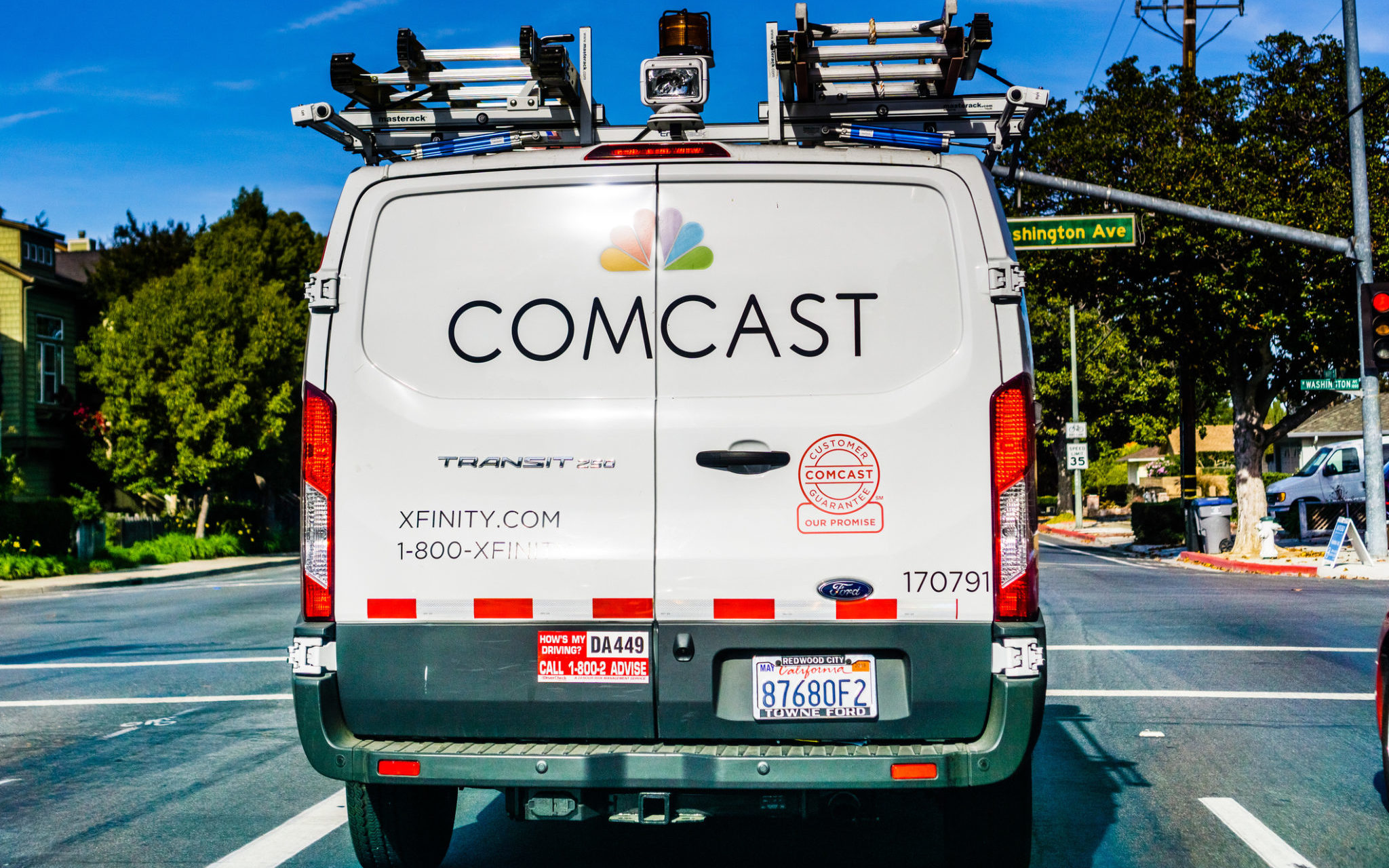
Comcast is the first to report, with a massive 274,000 loss in video subscribers.
In the 3Q of 2016, Comcast had 21.42 million video subscribers and was the #1 provider, now at 10.39 million and is the #3 Provider, YTTV is #2 ( who also surpassed DirecTV-8 Million and Dish-under 5 Million), Charter/Spectrum is #1.
 cordcuttersnews.com
In the 3Q of 2016, Comcast had 21.42 million video subscribers and was the #1 provider, now at 10.39 million and is the #3 Provider, YTTV is #2 ( who also surpassed DirecTV-8 Million and Dish-under 5 Million), Charter/Spectrum is #1.
Comcast Just Lost 274,000 TV Customers & 144,000 Internet Customers In Just Three Months | Cord Cutters News
Comcast Corporation reported its third-quarter 2026 results on October 22, showing continued erosion in its domestic residential broadband internet and video customer bases as competitive pressures intensified across the connectivity market. The company recorded a net loss of 144,000 domestic...
cordcuttersnews.com
20 Replies
·
765 views


'Rockford Files' Reboot Gets NBC Pilot Order
I grow tired of all the reboots. Most I don't bother with but will depend on the actor chosen.
I grow tired of all the reboots. Most I don't bother with but will depend on the actor chosen.
23 Replies
·
858 views


Staff member
HERE TO HELP YOU!
Cutting Edge
Sometimes a thread gets so many posts in it that is can cause issues for the server so that why today we introduce The Song Name Game Part 3!
So let the game continue!
The last song was added by Bobby who posted...
One Meat Ball - Andrews Sisters
CONTINUE ON AND HAVE FUN! WELCOME HOME TO SATELLITEGUYS.US!
Here are the original rules for the game as posted by WebbyDude back in 2006. http://www.satelliteguys.us/threads/68645-Song-Name-Game
Just name a song title and the band who performed it. The next person does the same thing, but needs to list a song title or band name which includes a word from the previous entry. Pick songs from any genre.
Example:
Long Live Rock and Roll -- Rainbow
Rainbow in the Dark -- Dio
Another example:
Ride the Lightning -- Metallica
Lightning Strikes -- Ozzy Osbourne
Get it?
An additional note: we all know that song titles, sometimes, use profane words. Because this is a family friendly website it is advised that you clean up that title up a bit. This is accomplished by using something like sh!t instead of the real word. Thanks....
68764 Replies
·
2686074 views


Pub Member / Supporter
Cutting Edge
6 Replies
·
177 views


Pub Member / Supporter
Lifetime Supporter
Thought some might find this encouraging. It turned out good but I still feel a little bad about it.
Had to drop by Walmart on my way to the store this morning, I had enough time but no time to spare either. As I was walking across the parking lot I noticed an older gent pushing his buggy with a confused look on his face. I said hello as I passed but he didn't respond...something was bothering him. I kept walking and then stopped and chided myself for being in too much of a rush. I turned around and asked him if he needed some help. Turned out he had NO idea where he had parked his truck. He told what color and model and looked around...nothing. I asked him if he had tried his key fob, he wasn't sure what I was talking about and got it out and handed it to me. Hit the lock and listened for a horn like my F150 does. Nothing. Finally I hit the panic button and we heard his truck...it was on the complete other side of the parking lot. He thanked me and I went on about my business.
I felt bad however because I almost didn't stop. I was so focused on what I had to pick up that I almost just kept walking without seeing if I could help. Years ago I wouldn't have hesitated. It seems that as we age it is easy to focus more on ourselves and ignore others which is why you'll see footage of these muggings in big cities and people just walk by the wounded victim who is laying on the sidewalk.
Moral to the story: Don't let your humanity die just because so many others have allowed theirs to.
3 Replies
·
52 views


TWiT Tech Podcast Network
Time for another AWESOME video from the TWIT Network!
View: https://www.youtube.com/watch?v=pZvzVN2MnSs
Direct YouTube Link - This Week in Space 235
TWIT's Website
TWIT Live Feed
View: https://www.youtube.com/watch?v=pZvzVN2MnSs
Direct YouTube Link - This Week in Space 235
TWIT's Website
TWIT Live Feed
0 Replies
·
13 views