

Social Feed

I received my AZBox Premium + yesterday, just as I was preparing to leave for work. I arrived back home this morning about 4:45 am. I just had to play with this new toy.
The first thing I observed is that my signal quality across the board increased approximately 10% minimum. I checked the quality on several satellites and TPs the other day when it was just a gorgeously clear and calm day using the original Premium model. This morning, it was overcast and spitting light rain with a little breeze and every satellite showed a substantial signal quality improvement.
I did run into a snag with setting up the internet access via the WiFi. The problem was two fold from my own mistakes.
First, I simply set the new Premium + on top of the old Premium box in the entertainment center. When I tried to connect via WiFi, it had a horrible time. Many failures to connect and slow connection speed results. I removed the old box from under the new and that cured that problem.
The second problem was again my error. I couldn't get MaZEdit or Filezilla to connect to the box, even after the box was confirmed to be connected to the net. Silly me, I forgot that I have two routers running and when I rebooted my PC, it connected automatically to the router that I don't have set up for this purpose. Once I switched the router connection, all was fine.
Why two routers you ask? Well, that was a troubleshooting excerise. It's an involved story with my system and Wild Blue. Seems that I am somehow being assigned two IP addresses simultaneously, from time to time and it is screwing with my connection. This ordeal is another story in itself, but that is why I have two routers. Originally, I thought that my first router was failing, so I bought another one, different brand and make to test. The problem is not the router. I suspect something with WildBlue's service, but cannot confirm it as the problem has since gone away. I just happen to have left both routers in service.
Enough of that mumbo jumbo.
Obviously, the very first thing that I wanted to test is the BLIND SCAN capabilities of the Premium Plus. It does work and it seems to function exceptionally well in most cases. When it came to blind scanning 83.0°W for the RTV and TUFF TV TP, it failed as others have claimed. It simply would not find that TP and the channels.
During the scan process, it appeared to hesitate near the TP frequency of 11.735, but it didn't pick it up. I tried all sorts of strategies to make it easier to pick up that TP, but it just wouldn't find it.
I finally gave up trying to BLIND scan this TP and manually entered it. It pulled it in right away then. And with about 83-86% quality. This was also with a much higher quality level than I detected with the original Premium, about 15 or more percent better. I am pleased with this result, but I still cannot explain why it won't pick it up during a BLIND scan.
When it came to BLIND scanning for Approximately 8 to 18 minutesthe FEED channels, it apeared to be excellent and quick. The default search range was between 11.700 and 12.900. I adjusted this to 11.700 - 12.200 and I found all sorts of FEEDS on various satellites.
I will post more of my findings here soon, but I am running short of time for now.
RADAR
The first thing I observed is that my signal quality across the board increased approximately 10% minimum. I checked the quality on several satellites and TPs the other day when it was just a gorgeously clear and calm day using the original Premium model. This morning, it was overcast and spitting light rain with a little breeze and every satellite showed a substantial signal quality improvement.
I did run into a snag with setting up the internet access via the WiFi. The problem was two fold from my own mistakes.
First, I simply set the new Premium + on top of the old Premium box in the entertainment center. When I tried to connect via WiFi, it had a horrible time. Many failures to connect and slow connection speed results. I removed the old box from under the new and that cured that problem.
The second problem was again my error. I couldn't get MaZEdit or Filezilla to connect to the box, even after the box was confirmed to be connected to the net. Silly me, I forgot that I have two routers running and when I rebooted my PC, it connected automatically to the router that I don't have set up for this purpose. Once I switched the router connection, all was fine.
Why two routers you ask? Well, that was a troubleshooting excerise. It's an involved story with my system and Wild Blue. Seems that I am somehow being assigned two IP addresses simultaneously, from time to time and it is screwing with my connection. This ordeal is another story in itself, but that is why I have two routers. Originally, I thought that my first router was failing, so I bought another one, different brand and make to test. The problem is not the router. I suspect something with WildBlue's service, but cannot confirm it as the problem has since gone away. I just happen to have left both routers in service.
Enough of that mumbo jumbo.
Obviously, the very first thing that I wanted to test is the BLIND SCAN capabilities of the Premium Plus. It does work and it seems to function exceptionally well in most cases. When it came to blind scanning 83.0°W for the RTV and TUFF TV TP, it failed as others have claimed. It simply would not find that TP and the channels.
During the scan process, it appeared to hesitate near the TP frequency of 11.735, but it didn't pick it up. I tried all sorts of strategies to make it easier to pick up that TP, but it just wouldn't find it.
I finally gave up trying to BLIND scan this TP and manually entered it. It pulled it in right away then. And with about 83-86% quality. This was also with a much higher quality level than I detected with the original Premium, about 15 or more percent better. I am pleased with this result, but I still cannot explain why it won't pick it up during a BLIND scan.
When it came to BLIND scanning for Approximately 8 to 18 minutesthe FEED channels, it apeared to be excellent and quick. The default search range was between 11.700 and 12.900. I adjusted this to 11.700 - 12.200 and I found all sorts of FEEDS on various satellites.
I will post more of my findings here soon, but I am running short of time for now.
RADAR
17 Replies
·
3623 views


TWiT Tech Podcast Network
Time for another AWESOME video from the TWIT Network!
View: https://www.youtube.com/shorts/Djv7qId5yec
Direct YouTube Link - Green Star Discovery: How a White Dwarf Could Turn Green
TWIT's Website
TWIT Live Feed
View: https://www.youtube.com/shorts/Djv7qId5yec
Direct YouTube Link - Green Star Discovery: How a White Dwarf Could Turn Green
TWIT's Website
TWIT Live Feed
0 Replies
·
2 views

Staff member
HERE TO HELP YOU!
Cutting Edge
Sometimes a thread gets so many posts in it that is can cause issues for the server so that why today we introduce The Song Name Game Part 3!
So let the game continue!
The last song was added by Bobby who posted...
One Meat Ball - Andrews Sisters
CONTINUE ON AND HAVE FUN! WELCOME HOME TO SATELLITEGUYS.US!
Here are the original rules for the game as posted by WebbyDude back in 2006. http://www.satelliteguys.us/threads/68645-Song-Name-Game
Just name a song title and the band who performed it. The next person does the same thing, but needs to list a song title or band name which includes a word from the previous entry. Pick songs from any genre.
Example:
Long Live Rock and Roll -- Rainbow
Rainbow in the Dark -- Dio
Another example:
Ride the Lightning -- Metallica
Lightning Strikes -- Ozzy Osbourne
Get it?
An additional note: we all know that song titles, sometimes, use profane words. Because this is a family friendly website it is advised that you clean up that title up a bit. This is accomplished by using something like sh!t instead of the real word. Thanks....
So let the game continue!
The last song was added by Bobby who posted...
One Meat Ball - Andrews Sisters
CONTINUE ON AND HAVE FUN! WELCOME HOME TO SATELLITEGUYS.US!
Here are the original rules for the game as posted by WebbyDude back in 2006. http://www.satelliteguys.us/threads/68645-Song-Name-Game
Just name a song title and the band who performed it. The next person does the same thing, but needs to list a song title or band name which includes a word from the previous entry. Pick songs from any genre.
Example:
Long Live Rock and Roll -- Rainbow
Rainbow in the Dark -- Dio
Another example:
Ride the Lightning -- Metallica
Lightning Strikes -- Ozzy Osbourne
Get it?
An additional note: we all know that song titles, sometimes, use profane words. Because this is a family friendly website it is advised that you clean up that title up a bit. This is accomplished by using something like sh!t instead of the real word. Thanks....
68532 Replies
·
2673035 views


Lifetime Supporter
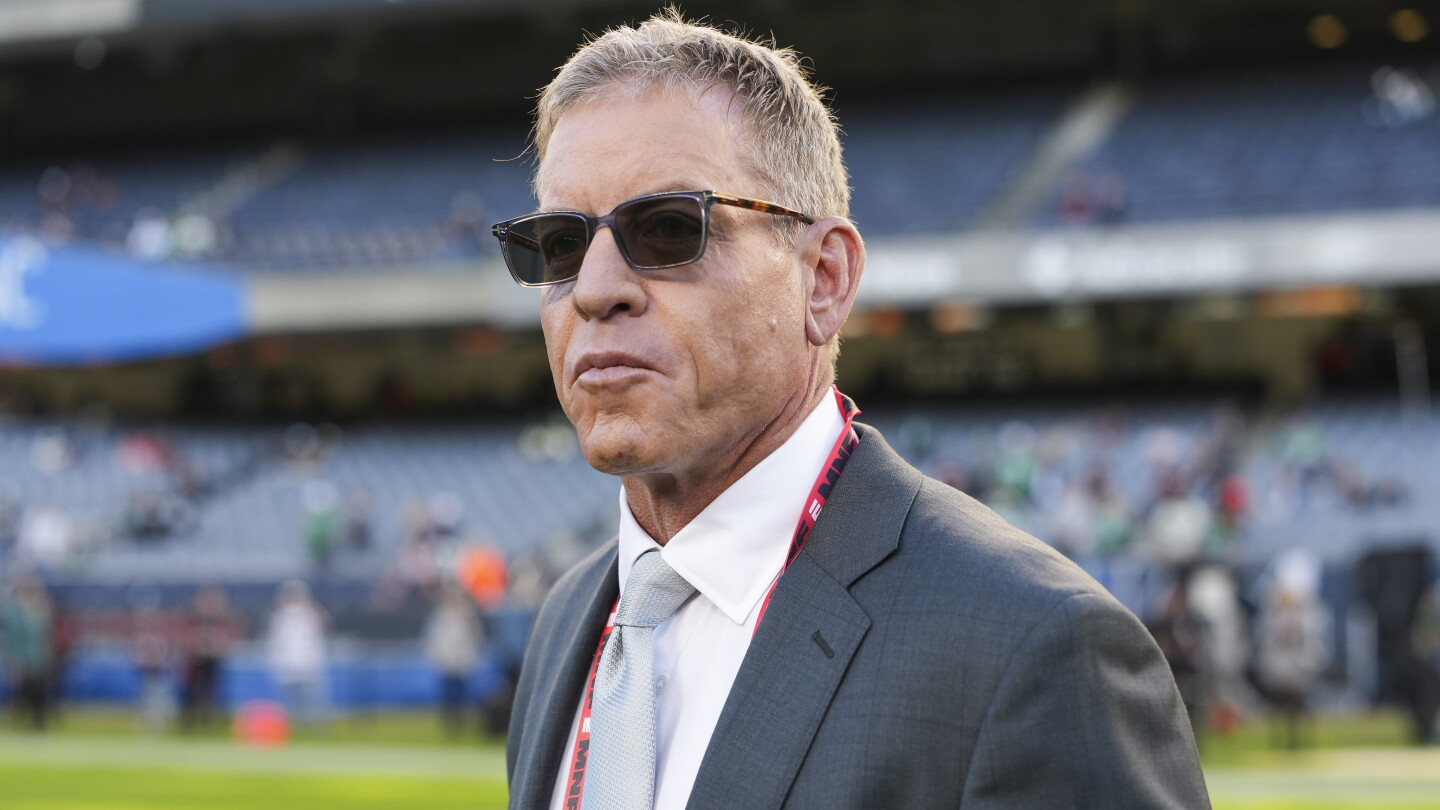
Schedule drops tomorrow. Mandatory mini camps in June. Hall of Fame game August 6th.
112 Replies
·
1763 views



For some reason, the satelliteguys.us site is loading a lot slower than usual on both Chrome on my Asus laptop and Safari on my iPhone.
I'm also seeing longer appearances of the blue bar at the top and the "3 blue bars" loading symbol.
Is anyone else also having the same problem? Thanks in advance.
I'm also seeing longer appearances of the blue bar at the top and the "3 blue bars" loading symbol.
Is anyone else also having the same problem? Thanks in advance.
541 Replies
·
18552 views


 . Hated to see my dawgs go down but I still say being ranked #1 is a hex on you!


My year was almost up and we got the new bill for a year of service for $ 360.00 insane sat radio is becoming like cable!!! i logged into my acct and hopped onto chat and told the rep that i wanted to cancel. she understood my concern and went quiet for a few minutes. i figured that she was canceling my service. she comes back and said that she seen that i have been a sub since 07 and then offers me the same package for a year for 120.00 with taxes and fee's!!! i grabbed it. after almost having a stroke 
239 Replies
·
11075 views


 .
.
Pub Member / Supporter

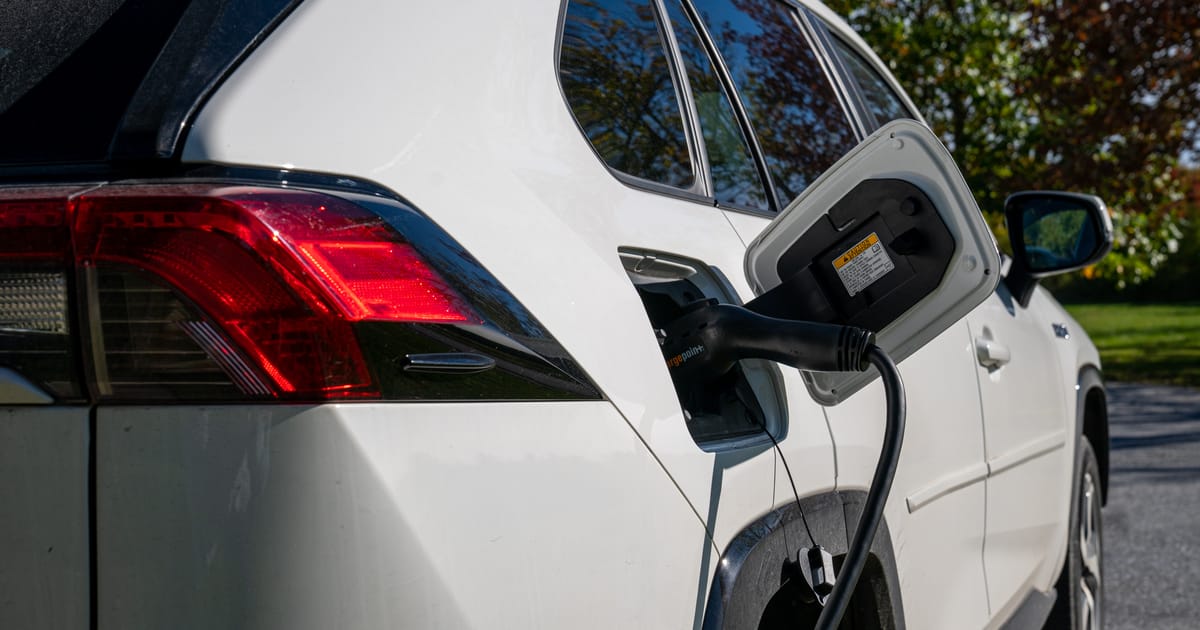
America’s Fastest-Growing EV State Isn’t California—Not by a Long Shot
New data shows electric vehicle adoption is increasingly driven by state policies, electricity prices and charging access—not federal incentives
 www.autoweek.com
The number-one US state for EV growth, according to the June 22 Yardi report?
Oklahoma.

It has no ZEV mandates and "minimal" incentives, Yardi says, but also has cheap electricity, high multi-car household rates (so, for example, a non-Lightning Ford F-150 pulls their trailers), and a consumer base willing to switch.
113 Replies
·
930 views




Staff member
HERE TO HELP YOU!
Stumbled across this ... http://www.gaspricewatch.com/USGas_ZipSearch.asp
I found no local prices, although it did show stations at my location...
Added these to this post...
USA National Gas Temperature Map
State By State Gasoline Taxes
Gas Buddy
Ethanol Free Stations
I found no local prices, although it did show stations at my location...
Added these to this post...
USA National Gas Temperature Map
State By State Gasoline Taxes
Gas Buddy
Ethanol Free Stations
5553 Replies
·
460694 views
TWiT Tech Podcast Network
Time for another AWESOME video from the TWIT Network!
View: https://www.youtube.com/watch?v=beTFfPz10OI
Direct YouTube Link - Club TWiT: Media Club #3 - Best of Adult Animation: Futurama, Rick and Morty, and Simpsons Classics
TWIT's Website
TWIT Live Feed
View: https://www.youtube.com/watch?v=beTFfPz10OI
Direct YouTube Link - Club TWiT: Media Club #3 - Best of Adult Animation: Futurama, Rick and Morty, and Simpsons Classics
TWIT's Website
TWIT Live Feed
0 Replies
·
14 views