

Social Feed

Is it possible to add an EHD to a VIP 222K? I thought you could add an EHD to any VIP unit? Thanks for the assistance.
12 Replies
·
4562 views


Supporting Founder
Pub Member / Supporter
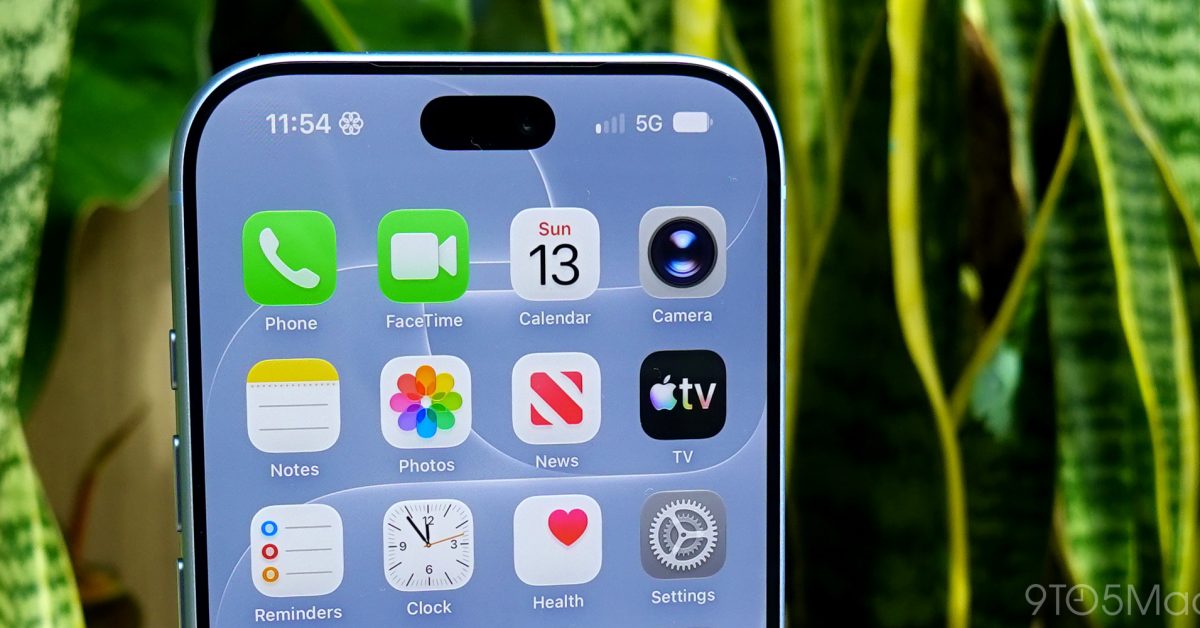
Apple Fall Hardware Event takes place today, September 9, 2026, at 10:00 a.m. PT / 1:00 p.m. ET. It marks the debut of new CEO John Ternus and the expected reveal of Apple's first foldable phone.
127 Replies
·
1305 views




Supporting Founder
Lifetime Supporter
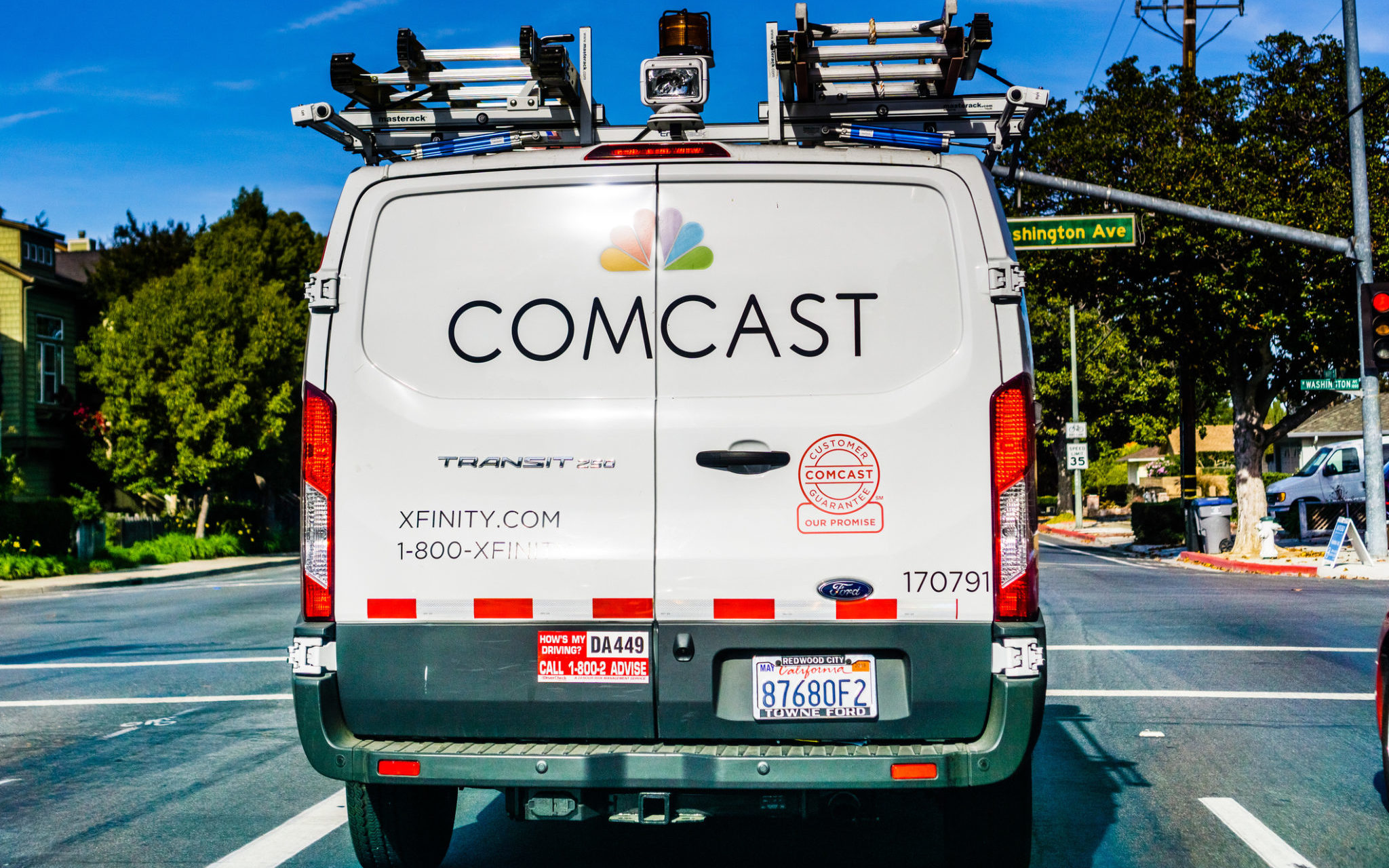
Comcast is the first to report, with a massive 274,000 loss in video subscribers.
In the 3Q of 2016, Comcast had 21.42 million video subscribers and was the #1 provider, now at 10.39 million and is the #3 Provider, YTTV is #2 ( who also surpassed DirecTV-8 Million and Dish-under 5 Million), Charter/Spectrum is #1.
 cordcuttersnews.com
In the 3Q of 2016, Comcast had 21.42 million video subscribers and was the #1 provider, now at 10.39 million and is the #3 Provider, YTTV is #2 ( who also surpassed DirecTV-8 Million and Dish-under 5 Million), Charter/Spectrum is #1.
Comcast Just Lost 274,000 TV Customers & 144,000 Internet Customers In Just Three Months | Cord Cutters News
Comcast Corporation reported its third-quarter 2026 results on October 22, showing continued erosion in its domestic residential broadband internet and video customer bases as competitive pressures intensified across the connectivity market. The company recorded a net loss of 144,000 domestic...
cordcuttersnews.com
6 Replies
·
179 views


TWiT Tech Podcast Network
Time for another AWESOME video from the TWIT Network!
View: https://www.youtube.com/shorts/bx4mVu7RXKs
Direct YouTube Link - AI Infrastructure Hijacked: Attackers Turned Company AI Against It #shorts
TWIT's Website
TWIT Live Feed
View: https://www.youtube.com/shorts/bx4mVu7RXKs
Direct YouTube Link - AI Infrastructure Hijacked: Attackers Turned Company AI Against It #shorts
TWIT's Website
TWIT Live Feed
0 Replies
·
5 views

Staff member
HERE TO HELP YOU!
Cutting Edge
Sometimes a thread gets so many posts in it that is can cause issues for the server so that why today we introduce The Song Name Game Part 3!
So let the game continue!
The last song was added by Bobby who posted...
One Meat Ball - Andrews Sisters
CONTINUE ON AND HAVE FUN! WELCOME HOME TO SATELLITEGUYS.US!
Here are the original rules for the game as posted by WebbyDude back in 2006. http://www.satelliteguys.us/threads/68645-Song-Name-Game
Just name a song title and the band who performed it. The next person does the same thing, but needs to list a song title or band name which includes a word from the previous entry. Pick songs from any genre.
Example:
Long Live Rock and Roll -- Rainbow
Rainbow in the Dark -- Dio
Another example:
Ride the Lightning -- Metallica
Lightning Strikes -- Ozzy Osbourne
Get it?
An additional note: we all know that song titles, sometimes, use profane words. Because this is a family friendly website it is advised that you clean up that title up a bit. This is accomplished by using something like sh!t instead of the real word. Thanks....
68592 Replies
·
2677014 views


Pub Member / Supporter
Lifetime Supporter
I'm surprised Walmart hasn't banned this guy from all of their stores. He has been on their CASE the past few months.
View: https://www.youtube.com/shorts/f3zr37ekgKM?feature=share
View: https://www.youtube.com/shorts/f3zr37ekgKM?feature=share
56 Replies
·
549 views


Booredatwork.com
Time for another AWESOME video from BoredAtWork!
View: https://www.youtube.com/watch?v=_DuF-q5UeHI
Direct YouTube Link - iPhone Duo vs Z Fold8 vs Xiaomi1 8 Fold: Real-World Test
Booredatwork.com Website
Booredatwork on Facebook
View: https://www.youtube.com/watch?v=_DuF-q5UeHI
Direct YouTube Link - iPhone Duo vs Z Fold8 vs Xiaomi1 8 Fold: Real-World Test
Booredatwork.com Website
Booredatwork on Facebook
0 Replies
·
5 views
Pub Member / Supporter
Lifetime Supporter
I've always been super interested in things space related so this is a pretty cool event coming up. Nov 18, 2026 early in the morning, Voyager 1 will reach the distance of one full light day from Earth. Took almost 50 yrs. I was 13 when it launched.
View: https://www.youtube.com/shorts/gjHK3clOwIw?feature=share
View: https://www.youtube.com/shorts/gjHK3clOwIw?feature=share
4 Replies
·
97 views


Looks like DTV made a deal. I'm now getting it on ch 650. The tv promise slate is gone.
1 Replies
·
22 views

Lifetime Supporter
I know HipKat said that they were working on conversions but we got the official news yesterday right from Dish that starting next month all DMA's will be on the western arc, and all customers will be assigned to that. That's gonna mean a lot of customers around here aren't gonna get Dish unless there are exceptions. Too many mountains and trees.
151 Replies
·
3934 views


Pub Member / Supporter
Now that I'm retired, obviously I have different health care insurance. I take 2 prescriptions. With my old insurance I didn't have to pay for either of them, now I do. It's not a huge amount but it led me to dig a little into the cost of prescription medications. I have been using Walgreens for the longest time. But what I found was that Walgreens price is 4.8 times more for one of my prescriptions and the other is 2.3 percent more compared to the lowest price pharmacy. If you pay for prescription medications you might want to have a look at trumprx and see if you can get a lower price.


15 Replies
·
198 views

