

Social Feed

All this FTA talk has me excited to get in on the fun! 
Some more questions...
1st is what is the difference between a LNB and a LNBF?
2nd question is about the dish itself. I have a buddy that has an old DirecTV/Hughes net (I know it says 'Hughes' but not as sure the second is 'NET') little round dish with one LNB(F). Would a dish like this be able to be used? Or can it only be used for DirecTV/Hughes programming? It would only be to get my feet wet until I decided to move up. :up
1 Replies
·
2230 views


Staff member
HERE TO HELP YOU!
Cutting Edge
Sometimes a thread gets so many posts in it that is can cause issues for the server so that why today we introduce The Song Name Game Part 3!
So let the game continue!
The last song was added by Bobby who posted...
One Meat Ball - Andrews Sisters
CONTINUE ON AND HAVE FUN! WELCOME HOME TO SATELLITEGUYS.US!
Here are the original rules for the game as posted by WebbyDude back in 2006. http://www.satelliteguys.us/threads/68645-Song-Name-Game
Just name a song title and the band who performed it. The next person does the same thing, but needs to list a song title or band name which includes a word from the previous entry. Pick songs from any genre.
Example:
Long Live Rock and Roll -- Rainbow
Rainbow in the Dark -- Dio
Another example:
Ride the Lightning -- Metallica
Lightning Strikes -- Ozzy Osbourne
Get it?
An additional note: we all know that song titles, sometimes, use profane words. Because this is a family friendly website it is advised that you clean up that title up a bit. This is accomplished by using something like sh!t instead of the real word. Thanks....
68628 Replies
·
2678816 views


TWiT Tech Podcast Network
Time for another AWESOME video from the TWIT Network!
View: https://www.youtube.com/shorts/1gKXwyGz68c
Direct YouTube Link - Will AI Be Rejected in Game Development's Future? #shorts
TWIT's Website
TWIT Live Feed
View: https://www.youtube.com/shorts/1gKXwyGz68c
Direct YouTube Link - Will AI Be Rejected in Game Development's Future? #shorts
TWIT's Website
TWIT Live Feed
0 Replies
·
2 views

Pub Member / Supporter
Hello folks, well my luck ran out last week with a nasty thunderstorm and after 39 years here, finally took a hit. Now, the FTA receivers I had for some years worked great until now. Recently picked up a fairly cheap receiver, online, KOQIT and seems to be good, but for the life of me, I cannot get the HDMI output to work with 3 of my Samsung monitors. I can hook it up to my Samsung TV and its HDMI input and it works fine. The 2 receivers I lost also worked fine with them, so am I going crazy? anyone have come across this or have any suggestions? And, since this is a somewhat cheap unit but works, what is everyone out there using for receivers these days? without breaking the bank? I enjoy watching FTA TV, so I will invest more if needed, what is a really good, detailed unit these days. I'm so use to watching a few of them HD channels. Right now I'm down to composite hookups, yuck! Any help or info would be greatly appreciated. Thanks Frank 
47 Replies
·
1268 views

IS Amiko MIRA 3 any good ???
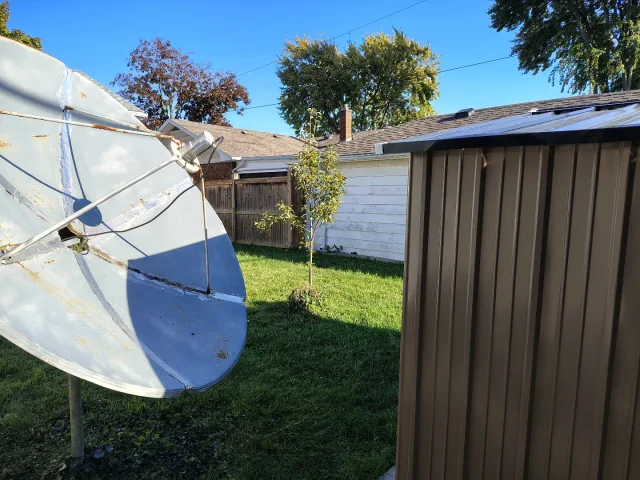
Can you recommend the best to cover all bases. NO BEEPS on certain channels 101w (NEWSMAX ,NEWS NATION), a clock that keeps working STEADY for timed recording ,solid unit with good lifespan. My Amiko died AND my Linkbox has NO Favorites Button and BEEPS on many channels. Picking up 105 west with a NEW SHED IN THE Way with 6 foot Cband ..95 percent quality ...unbelievable.
Can you recommend the best to cover all bases. NO BEEPS on certain channels 101w (NEWSMAX ,NEWS NATION), a clock that keeps working STEADY for timed recording ,solid unit with good lifespan. My Amiko died AND my Linkbox has NO Favorites Button and BEEPS on many channels. Picking up 105 west with a NEW SHED IN THE Way with 6 foot Cband ..95 percent quality ...unbelievable.
10 Replies
·
253 views


Pub Member / Supporter
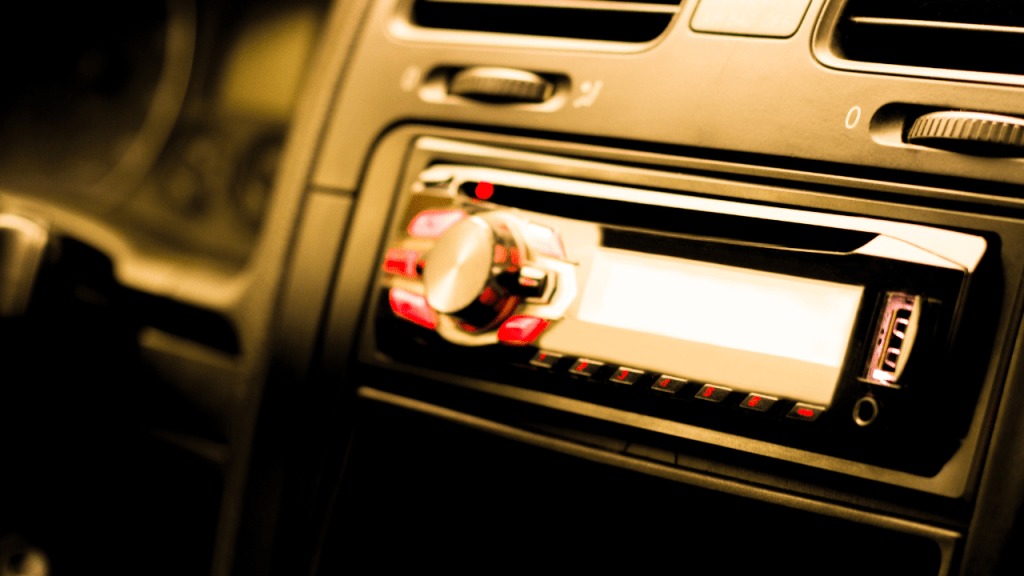
House Passes AM Radio For Every Vehicle Act
(Washington, DC) - The U.S. House has passed the AM Radio for Every Vehicle Act, marking a major step forward for broadcasters and listeners who have pushed to keep AM radio available in new cars and
 wabcradio.com
19 Replies
·
554 views


Pub Member / Supporter
Lifetime Supporter
3 Replies
·
57 views


Supporting Founder
Pub Member / Supporter
Apple Fall Hardware Event takes place today, September 9, 2026, at 10:00 a.m. PT / 1:00 p.m. ET. It marks the debut of new CEO John Ternus and the expected reveal of Apple's first foldable phone.
134 Replies
·
1620 views


 . can we say over priced garbage!!!


Supporting Founder
Really excited for this season with Kentucky having a new coach and some really exciting recruits. Probably won't last long, but here's hoping this season is great.
172 Replies
·
2459 views


TWiT Tech Podcast Network
Time for another AWESOME video from the TWIT Network!
View: https://www.youtube.com/watch?v=omPQDqqbatQ
Direct YouTube Link - Whiskey Pick: Frey Ranch Straight Bourbon
TWIT's Website
TWIT Live Feed
View: https://www.youtube.com/watch?v=omPQDqqbatQ
Direct YouTube Link - Whiskey Pick: Frey Ranch Straight Bourbon
TWIT's Website
TWIT Live Feed
0 Replies
·
21 views

Lifetime Supporter
I know HipKat said that they were working on conversions but we got the official news yesterday right from Dish that starting next month all DMA's will be on the western arc, and all customers will be assigned to that. That's gonna mean a lot of customers around here aren't gonna get Dish unless there are exceptions. Too many mountains and trees.
171 Replies
·
4845 views


