

Social Feed
I have a 4228 up in the attic that works great on all my channels but one. That channel comes in at 70% on my 722. It works fine most of the time, but winds seem to mess it up pretty bad. I can make the 4228 pull that low channel in at about 95% by moving it around a little, but then I lose a few of the others. I have a set of cheap rabbit ears with the loop. I used this before the 4228 and it works get for the channels that I lose when I move the 4228 to get the low channel in at 95%. If I go out and buy a balun and hook it up to the same place the other one is on the 4228 and then plug those rabbit ears in. Do you think that will work to bring all my channels in strong like I want? Or will that cause some problems? I know it will only cost a few bucks to try, I just want to know if anyone has tried anything like this before?
7 Replies
·
2342 views


Pub Member / Supporter

Pissed off at the crappy healthcare costs
My health Insurance renewal for 2027 just came in. Going from $827 a month to $1,187 a month. Deductible going up a $1k to $9,350. Max out of pocket also going up $1k to $11,000. Doctor co-pay of $40. Urgent Care co-pay $50. ER 50% coinsurance after deductible. That's all in network. Out of network is double, should it be needed.
Have to think about this. I'm really tempted to just go without now. I only go to the doctor once or twice a year. I pay out of pocket for Tirzepitide and can do without the Rosuvastatin (crestor) now. Really tired of spending over $10k a year and getting nothing out of it.
After years with Blue Cross I switched last year to Ambetter as my Blue Cross premium was going from $1200 to $1800 for a Silver plan and the Bronze plan was still going to be $1300 at BCBS. Ambetter was $827 for the same coverage with a Bronze plan. Didn't think it would jump this much so soon.
I'm guessing a Silver plan is probably over $2,000 a month for 2027.
16 Replies
·
194 views


Linus Tech Tips
Time for another AWESOME video from Linus Tech Tips!
View: https://www.youtube.com/watch?v=H3Cnyj0I62c
Direct YouTube Link - I Doubled My GPU's Memory…
Linus on Facebook
The LTT Store
View: https://www.youtube.com/watch?v=H3Cnyj0I62c
Direct YouTube Link - I Doubled My GPU's Memory…
Linus on Facebook
The LTT Store
0 Replies
·
5 views

Staff member
HERE TO HELP YOU!
Cutting Edge
Sometimes a thread gets so many posts in it that is can cause issues for the server so that why today we introduce The Song Name Game Part 3!
So let the game continue!
The last song was added by Bobby who posted...
One Meat Ball - Andrews Sisters
CONTINUE ON AND HAVE FUN! WELCOME HOME TO SATELLITEGUYS.US!
Here are the original rules for the game as posted by WebbyDude back in 2006. http://www.satelliteguys.us/threads/68645-Song-Name-Game
Just name a song title and the band who performed it. The next person does the same thing, but needs to list a song title or band name which includes a word from the previous entry. Pick songs from any genre.
Example:
Long Live Rock and Roll -- Rainbow
Rainbow in the Dark -- Dio
Another example:
Ride the Lightning -- Metallica
Lightning Strikes -- Ozzy Osbourne
Get it?
An additional note: we all know that song titles, sometimes, use profane words. Because this is a family friendly website it is advised that you clean up that title up a bit. This is accomplished by using something like sh!t instead of the real word. Thanks....
68679 Replies
·
2681361 views


Pub Member / Supporter
Lifetime Supporter
I figured some of the guys would be looking here for an answer. You'll need to use this link
I'll mention what happened over there. I don't want to cause Scott any issues or put him in a bad spot.

I'll mention what happened over there. I don't want to cause Scott any issues or put him in a bad spot.
4 Replies
·
185 views


Lifetime Supporter
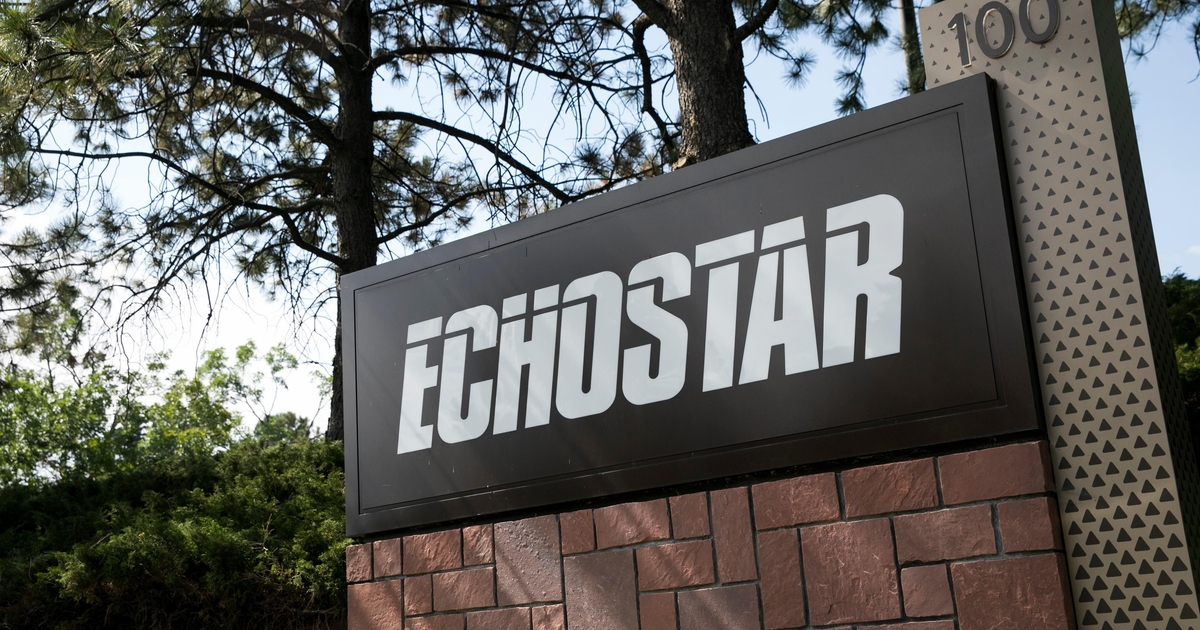
Looks like dish is Bankrupt. Filling tomorrow Tuesday June 30th
428 Replies
·
14283 views






Staff member
HERE TO HELP YOU!
Stumbled across this ... http://www.gaspricewatch.com/USGas_ZipSearch.asp
I found no local prices, although it did show stations at my location...
Added these to this post...
USA National Gas Temperature Map
State By State Gasoline Taxes
Gas Buddy
Ethanol Free Stations
I found no local prices, although it did show stations at my location...
Added these to this post...
USA National Gas Temperature Map
State By State Gasoline Taxes
Gas Buddy
Ethanol Free Stations
5564 Replies
·
461736 views

Who says dinner or lunch has to be the only good meals of the day?
Honey butter grits with scrambled eggs and grilled boneless pork ribs on flakey biscuits washed down with cranberry juice.
Honey butter grits with scrambled eggs and grilled boneless pork ribs on flakey biscuits washed down with cranberry juice.
6636 Replies
·
380333 views

TWiT Tech Podcast Network
Time for another AWESOME video from the TWIT Network!
View: https://www.youtube.com/watch?v=wDUacUpCR04
Direct YouTube Link - Club TWiT: AI User Group #21 - Superpowers With Jesse Vincent
TWIT's Website
TWIT Live Feed
View: https://www.youtube.com/watch?v=wDUacUpCR04
Direct YouTube Link - Club TWiT: AI User Group #21 - Superpowers With Jesse Vincent
TWIT's Website
TWIT Live Feed
0 Replies
·
13 views

Lifetime Supporter
Schedule drops tomorrow. Mandatory mini camps in June. Hall of Fame game August 6th.
129 Replies
·
2547 views

