

Social Feed

I'm having kind of a weird issue and I'm not sure if the problem is with the LNB's or what. I have more than one C-band dish, each fixed on a specific satellite, and each has a dual LNB. The LNB's are of two different brands. One is an older model, which just so happens to be on my smallest dish, and it performs flawlessly in all weather and has done so for several years. The other type is a newer model. I should note that these are all modern style LNB's that use voltage switching for polarity; none are of the older type with mechanical polarity switching.
The thing I have noticed with the newer ones is that sometimes when it is really cold out (below around 20 degrees F) channels will come in really flaky, in that they have a lot of interference, purple lines or mini breakups in the signal, occasional small gaps in the audio, that sort of thing. You can watch the program but it is not a pleasant experience.
Last night I stumbled across something weird though. As it happened I tuned in a channel on the other side of the LNB, in other words, same satellite but different transponder while it was in the process of recording a program off the same satellite. And when I watched the playback of the recording, I noticed that all the interference cleared up right around the time I had tuned in that second channel and didn't reappear for the rest of the night. Now that could have been sheer coincidence, but it also made me wonder - I would imagine that when one side of the LNB is in use it generates a small amount of heat, but when both sides are in use a lot more heat is generated. Could the circuitry in the LNB have a thermal issue, where it's not happy until it reaches a certain temperature, and causes interference if the temperature is too low?
I only viewed that other transponder for about five minutes but unless it was just coincidence, the mere act of using the other side of that LNB seems to have cleared the interference on the first tuner, and I have not seen this issue occur when it's not several degrees below freezing. I wish I could get some more of those older dual LNBs (the ones sold about five years ago give or take a couple, I don't remember who made them but it was NOT DMS International), they seem to work reliably no matter what but nobody seems to have them anymore. Now I'm trying to determine whether I have a defective LNB, or if this is something common to the newer ones - has anyone else seen this particular problem?
The thing I have noticed with the newer ones is that sometimes when it is really cold out (below around 20 degrees F) channels will come in really flaky, in that they have a lot of interference, purple lines or mini breakups in the signal, occasional small gaps in the audio, that sort of thing. You can watch the program but it is not a pleasant experience.
Last night I stumbled across something weird though. As it happened I tuned in a channel on the other side of the LNB, in other words, same satellite but different transponder while it was in the process of recording a program off the same satellite. And when I watched the playback of the recording, I noticed that all the interference cleared up right around the time I had tuned in that second channel and didn't reappear for the rest of the night. Now that could have been sheer coincidence, but it also made me wonder - I would imagine that when one side of the LNB is in use it generates a small amount of heat, but when both sides are in use a lot more heat is generated. Could the circuitry in the LNB have a thermal issue, where it's not happy until it reaches a certain temperature, and causes interference if the temperature is too low?
I only viewed that other transponder for about five minutes but unless it was just coincidence, the mere act of using the other side of that LNB seems to have cleared the interference on the first tuner, and I have not seen this issue occur when it's not several degrees below freezing. I wish I could get some more of those older dual LNBs (the ones sold about five years ago give or take a couple, I don't remember who made them but it was NOT DMS International), they seem to work reliably no matter what but nobody seems to have them anymore. Now I'm trying to determine whether I have a defective LNB, or if this is something common to the newer ones - has anyone else seen this particular problem?
8 Replies
·
2220 views


For some reason, the satelliteguys.us site is loading a lot slower than usual on both Chrome on my Asus laptop and Safari on my iPhone.
I'm also seeing longer appearances of the blue bar at the top and the "3 blue bars" loading symbol.
Is anyone else also having the same problem? Thanks in advance.
I'm also seeing longer appearances of the blue bar at the top and the "3 blue bars" loading symbol.
Is anyone else also having the same problem? Thanks in advance.
528 Replies
·
17932 views


Supporting Founder
Several Dish offers showed up today in my account. Once you choose one the rest are removed. Offers were Showtime, Starz, AMC and others.
33 Replies
·
1570 views


Staff member
HERE TO HELP YOU!
Cutting Edge
Sometimes a thread gets so many posts in it that is can cause issues for the server so that why today we introduce The Song Name Game Part 3!
So let the game continue!
The last song was added by Bobby who posted...
One Meat Ball - Andrews Sisters
CONTINUE ON AND HAVE FUN! WELCOME HOME TO SATELLITEGUYS.US!
Here are the original rules for the game as posted by WebbyDude back in 2006. http://www.satelliteguys.us/threads/68645-Song-Name-Game
Just name a song title and the band who performed it. The next person does the same thing, but needs to list a song title or band name which includes a word from the previous entry. Pick songs from any genre.
Example:
Long Live Rock and Roll -- Rainbow
Rainbow in the Dark -- Dio
Another example:
Ride the Lightning -- Metallica
Lightning Strikes -- Ozzy Osbourne
Get it?
An additional note: we all know that song titles, sometimes, use profane words. Because this is a family friendly website it is advised that you clean up that title up a bit. This is accomplished by using something like sh!t instead of the real word. Thanks....
So let the game continue!
The last song was added by Bobby who posted...
One Meat Ball - Andrews Sisters
CONTINUE ON AND HAVE FUN! WELCOME HOME TO SATELLITEGUYS.US!
Here are the original rules for the game as posted by WebbyDude back in 2006. http://www.satelliteguys.us/threads/68645-Song-Name-Game
Just name a song title and the band who performed it. The next person does the same thing, but needs to list a song title or band name which includes a word from the previous entry. Pick songs from any genre.
Example:
Long Live Rock and Roll -- Rainbow
Rainbow in the Dark -- Dio
Another example:
Ride the Lightning -- Metallica
Lightning Strikes -- Ozzy Osbourne
Get it?
An additional note: we all know that song titles, sometimes, use profane words. Because this is a family friendly website it is advised that you clean up that title up a bit. This is accomplished by using something like sh!t instead of the real word. Thanks....
68496 Replies
·
2670645 views


TWiT Tech Podcast Network
Time for another AWESOME video from the TWIT Network!
View: https://www.youtube.com/shorts/z72cjoZP83E
Direct YouTube Link - AI Can Self-Replicate: Unplugging the Threat! #shorts
TWIT's Website
TWIT Live Feed
View: https://www.youtube.com/shorts/z72cjoZP83E
Direct YouTube Link - AI Can Self-Replicate: Unplugging the Threat! #shorts
TWIT's Website
TWIT Live Feed
0 Replies
·
10 views
TWiT Tech Podcast Network
Time for another AWESOME video from the TWIT Network!
View: https://www.youtube.com/shorts/w5TOILSc_U8
Direct YouTube Link - AI Model Poisoning: The Hidden Threat on Hugging Face #shorts
TWIT's Website
TWIT Live Feed
View: https://www.youtube.com/shorts/w5TOILSc_U8
Direct YouTube Link - AI Model Poisoning: The Hidden Threat on Hugging Face #shorts
TWIT's Website
TWIT Live Feed
0 Replies
·
7 views

Pub Member / Supporter
Cutting Edge
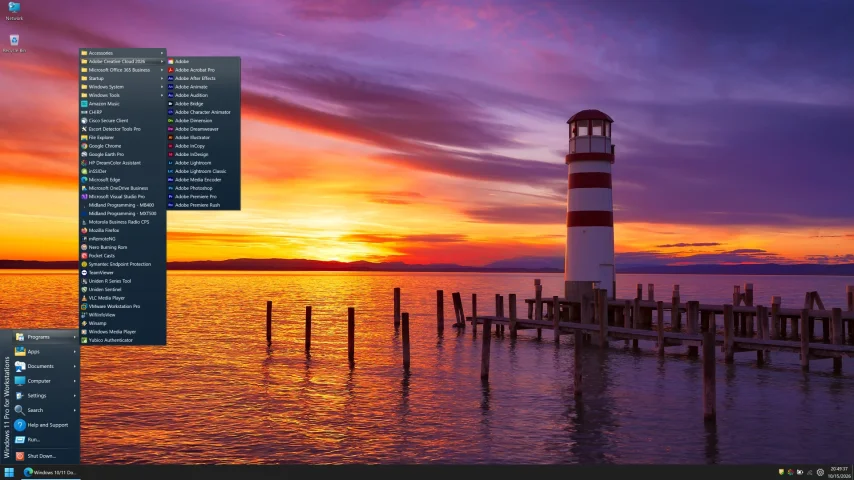
I created this thread on the original Edgecutter Cutting Edge Forums site. It's simply a place for those to review the latest software available for those using Windows 10 and Windows 11. To date it has received 112,559 views. I have been asked by staff to continue this thread here.
521 Replies
·
47210 views



Help, I'm a little confjused on the activation process.
I purchased the Joey 4 from Solid Signal and shipping box has Call 866 726-4282 to Avtivate new Receiver. That number is Solid Signals number.
I googled and that search said call Dish to activate. I assume that is correct unless this requires a 2 step process.
Please let me know.
Thanks
I purchased the Joey 4 from Solid Signal and shipping box has Call 866 726-4282 to Avtivate new Receiver. That number is Solid Signals number.
I googled and that search said call Dish to activate. I assume that is correct unless this requires a 2 step process.
Please let me know.
Thanks
6 Replies
·
204 views


Supporting Founder
Pub Member / Supporter
Lifetime Supporter
Apple has finally released their Apple TV 4K with built-in Siri and a microphone so it can respond to your queries even if you don't have the remote. It also increases in price, to $299. I had been planning on updating my current Apple TV 4K streamers, but that's $600 for the two of them, and that's a pass at this point.
At $299, it had better come with 256 GB of Storage, Gigabit (or better) Ethernet, the latest HDMI tech and standards, and one year of free Apple One. But it probably won't…

At $299, it had better come with 256 GB of Storage, Gigabit (or better) Ethernet, the latest HDMI tech and standards, and one year of free Apple One. But it probably won't…
Apple TV 4K
Apple TV 4K. New Siri AI and hands-free control. Stunning picture and immersive HomePod surround sound. Works with your Apple and smart home devices.
www.apple.com
14 Replies
·
185 views


 . apple's been making money off of software and not hardware for a while
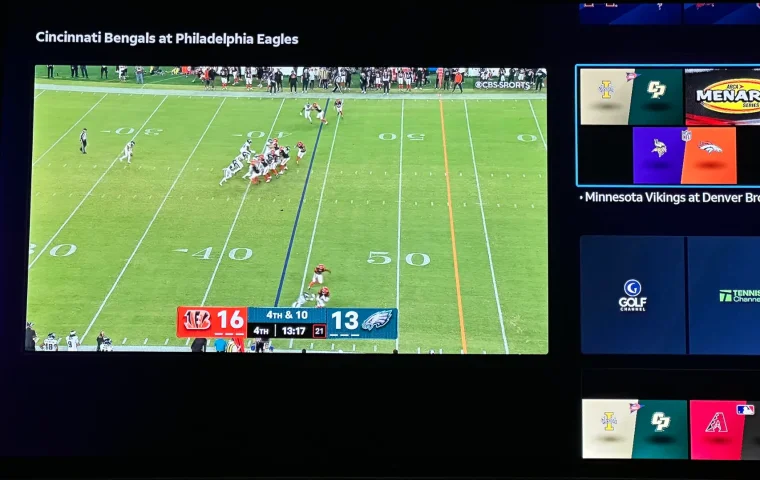
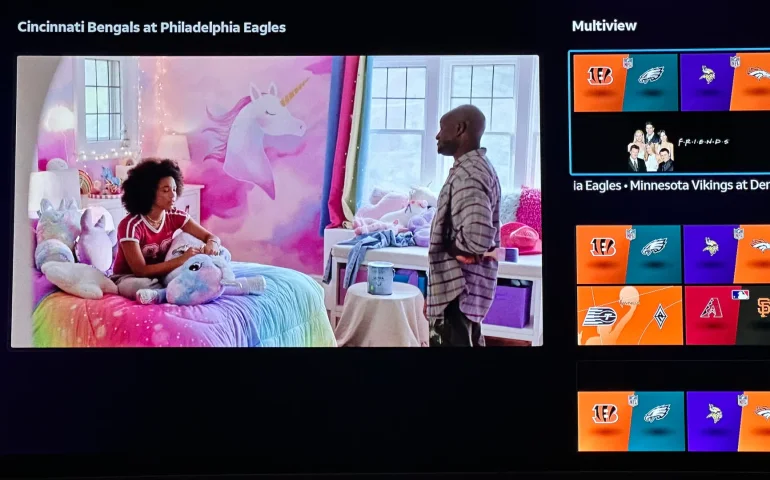
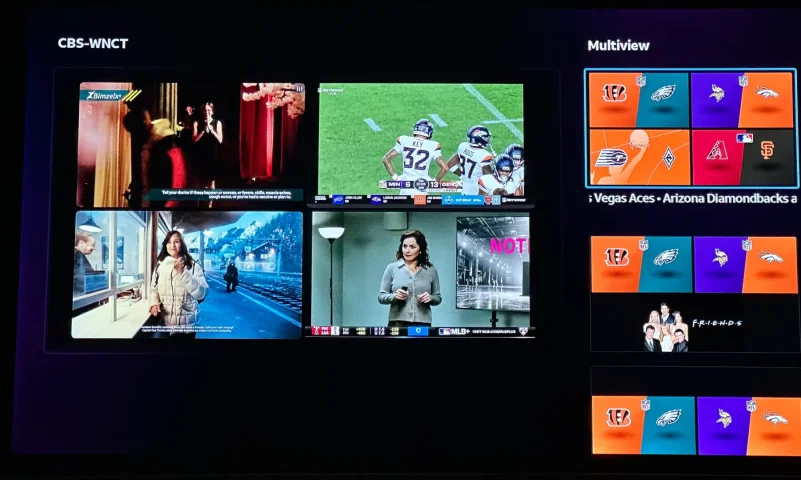
The new curated multiview is now live.
While on many of the sports channels and non sports channels there is a multi view option button. It will pull up a side bar with many different multi view options.
While on many of the sports channels and non sports channels there is a multi view option button. It will pull up a side bar with many different multi view options.
3 Replies
·
168 views


Supporting Founder
Really excited for this season with Kentucky having a new coach and some really exciting recruits. Probably won't last long, but here's hoping this season is great.
141 Replies
·
1361 views

