
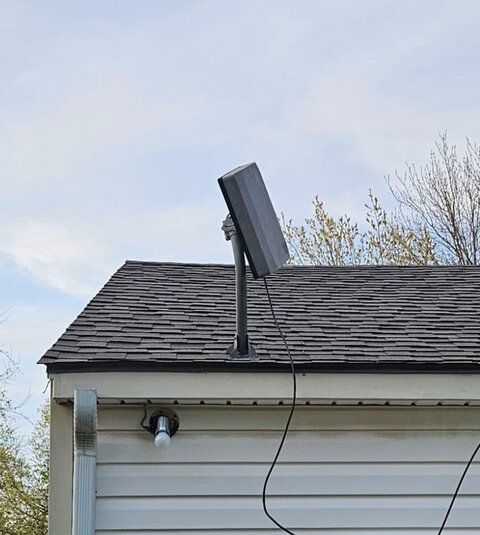
I never got around to posting this a couple of weeks ago, but I did finally get this antenna adjusted properly (vertically, as a couple of you suggested). I'm picking up all four (network) channels pretty well at this point. I'm just hoping this will continue to be the case when the trees start filling in in the coming weeks. Thanks again for all of your suggestions!Wish I still had an extra outdoor antenna. I would give it to the OP, but I gave most of that stuff away with some old channel master Ku dishes a year or so ago. I started to take the one at the lake house with me when I sold it 2 years ago, but figured it had been in the elements for a decade and my knees would appreciate me just getting a new one should I ever need another one. De-cluttering has been my motto the last 3 years since my dad passed. Everyone else in my family would just as soon pay for streaming services than use OTA or Tivo's now.


OTA Antenna Question
- Thread starter Marv B
- Start date
- Latest activity Latest activity:
- Replies 34
- Views 1K
Advertisements





Similar threads


Users Who Are Viewing This Thread (Total: 0, Members: 0, Guests: 0)
Who Read This Thread (Total Members: 107) Show all
- Marv B
- one_db_compression
- pamajestic
- frogbrains
- ahurst21
- mopardude01
- primestar31
- i_no_nutin
- oldsmobile
- gms49ers
- Jim5506
- k4otl
- captain_caveman
- Peter Parker
- tibbyjr
- stargate5
- dhlaw
- K3dmurphy
- dhett
- vcr1980
- Mr Tony
- clucas
- orac
- MartyDe
- ken2400
- RaiderPower
- Dell00iss
- jimgoe
- renegade734
- waylew
- johnr475
- mrc54
- satnewb
- John Nv
- llokey
- Foxbat
- b4pjoe
- navychop
- FTA4PA
- comfortably_numb
- Cobra
- osu1991
- Elsguy
- mljoness
- thomasjk
- user3162
- Trip
- AZ.
- mc6809e
- brice52
- Triride44
- worstman1
- harshness
- jaytee4320
- rcodey
- charlesrshell
- dishdude
- phlatwound
- Bavi_H
- cp2k
- moonwink
Latest posts
-
-

-
-

-
Its crazy how the ViP922 is so rare for no reason.
- Latest: slow_poke_pete